
Information architecture and site structure
Information architecture: the structure that lets visitors, Google and AI search find what matters
Information architecture is how a website is organised: its pages, menus, URLs and the links between them. We help organisations plan it before a redesign or migration, so the site is easy to use and easy for search engines to understand.
- Clients
- Organisations facing a redesign, merger or growth
- Deliverables
- A sitemap, menu plan and URL map
- Format
- Diagrams, spreadsheets and workshops
- Entry point
- A review of your current site
The challenge
Websites that grow page by page gradually become hard to navigate
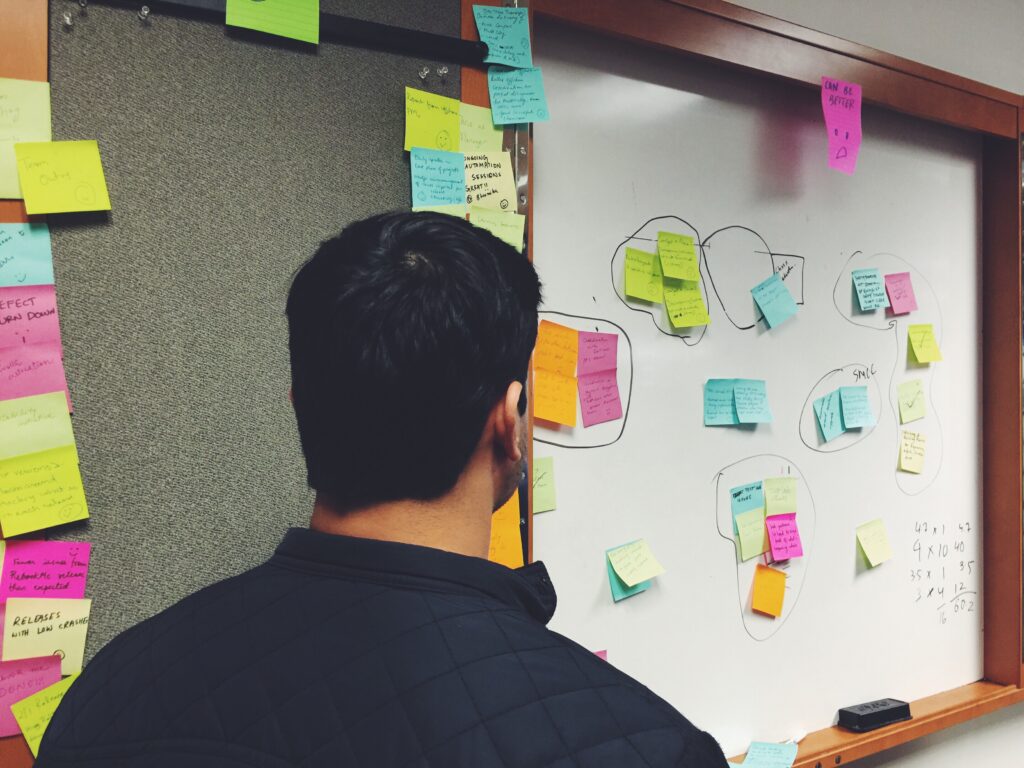
Most websites start out tidy. Over time, new services, news posts, campaign pages and PDFs are added wherever there is room. Menus lengthen, similar pages compete with each other and important pages end up four clicks from the homepage.
Visitors give up, and search engines struggle to tell which pages matter. A clear structure resolves both problems.
How we help clients
Good structure is decided before design, not discovered after launch
We deliver everything designers and developers need to build the right structure.
Content audit
We inventory every page with its traffic, links and purpose, and recommend a decision for each: keep, merge, rewrite or remove.
Audience and journey mapping
We identify the main groups who use the site, what each needs to find and the steps from first visit to enquiry or booking.
Sitemap and navigation
We design a new page hierarchy and menu structure, tested against the tasks people come to the site to complete.
URL plan and redirects
We set short, readable URLs for every page and a redirect map from old addresses to new ones.
Internal linking plan
We plan links between services, guides, client stories and sector pages, so people and search engines follow a clear path.
Page outlines
We produce wireframe outlines for key page types, showing what each template contains and in what order.
Our approach
We plan information architecture from evidence, not assumptions
01
Assess the current site
We audit the current pages, Google Analytics 4 and Search Console data, and speak to the people who use and run the site.
02
Map the journeys
We set out who visits, what they need and where they get stuck, drawing on your data and short interviews.
03
Design the structure
We propose a sitemap, menus and URL plan, then refine them with your team in a workshop.
04
Hand over
You receive the final sitemap, URL and redirect map and page outlines, ready for your designers or our build team.
Structure and search
Site structure tells search engines and AI tools what matters most
Search engines use a site’s structure and internal links to judge which pages matter most and how topics relate. A clear hierarchy also helps AI tools connect an organisation’s services, locations and expertise.
- Each topic has one main page, so pages do not compete
- Important pages sit no more than a few clicks from the homepage
- Breadcrumbs and descriptive links show how pages fit together
- Redirects protect rankings when URLs change
Information architecture is part of every website design engagement we run, and works hand in hand with technical SEO.
Client work
Clear structure turns complex tasks into simple online journeys
Selected engagements, each planned around what people need to do.
Local government

We planned a campaign website as the hub for The Leitrim Gathering, with a clear registration pathway for individuals and groups.
Charity

A single journey for HIV Ireland’s GlowRed campaign, in which individuals and organisations order a pin, add details, donate and get confirmation.

Health charity

We built a booking system for MPOWER rapid-testing appointments inside HIV Ireland’s existing website.
Explore further
Related capabilities
Questions clients ask us
What is information architecture?
It is the way a website’s content is organised and labelled: the pages, menus, URLs and the links between them. Good information architecture helps people find what they need and helps search engines understand the site.
When should we invest in information architecture?
Before a redesign or platform move, and whenever websites merge, menus outgrow themselves or visitors and staff cannot find things. Planning structure before a build costs less than fixing it afterwards.
Will changing our structure hurt our rankings?
Only if it is handled carelessly. We map every old URL to its new address with 301 redirects, keep the pages that bring in traffic and monitor Google Search Console after launch.
Do you build the website as well?
We can. We design and build on WordPress, or hand the plan to your own developers or agency.
Let's discuss how your website should be structured
Book a free 30-minute consultation. Share your current site and you will leave with a clear view of how it could be organised.